Backseat Brain Boosters: Festive Motorway Maths Without a Screen
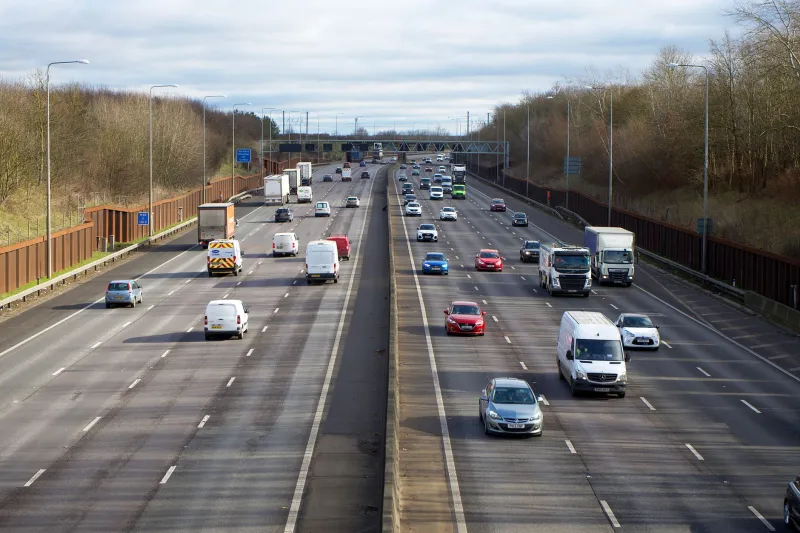
Festive car journeys are full of numbers pretending not to be maths. The mile marker on the A303, the price of a hot chocolate at the services, the digits on the car in front. With a little framing, those everyday details become a portable maths playground for ages six to eleven — no tablet, no worksheet and no backseat referee required.
The only rule: keep it a game
Before you set off, agree that the maths is optional and the fun is not. If a challenge starts to feel like a surprise test, downgrade it or skip it. A parent or teacher can model thinking aloud — I wonder how many miles are left, or I wonder which snack is better value — without demanding an answer. The aim is numeracy confidence, not a secret assessment.
A small kit helps: a pencil, a few sheets of paper, a printed route map and maybe a dice from a board game. That is enough to make the back seat feel like a maths playground with a very good view.
Number-plate warm-ups
UK number plates follow a familiar pattern: two letters, two numbers, then three letters. A plate like LX26 KDP is a ready-made mini challenge.
- Digit dash: Add the two digits on the plate. The first person to call the total wins the point. For younger children, simply spot whether the digits are odd or even.
- Target twenty: Use the two digits and any of the operations plus, minus, times or divide to get as close to twenty as possible. If the plate has a zero, decide together whether it can be used as zero or ignored.
- Double trouble: Double the two-digit number on the plate. Then halve it back. This is quick, repetitive and surprisingly satisfying.
- Plate memory: One person reads a plate aloud, then covers it. Everyone tries to recall the two digits. Add the digits together for a bonus point.
- Spot the sequence: Look for plates with consecutive digits, repeated digits or a zero in the middle. No pen needed — just careful looking.
Keep rounds short. Three plates in a row is plenty before the game starts to sag.
Motorway signs and map maths
Motorway signs are full of friendly numbers. A sign saying Oxford 42 and Newbury 18 invites a simple question: how far apart are those places? A services countdown saying 12 miles gives children a chance to estimate how long until the next stop at 60 miles per hour.
For older children, try a map-distance question. If the route is 84 miles and you have done 37, how many are left? If you stop for 20 minutes, what time will you arrive? These are real questions with real context, which makes them far more appealing than a page of column addition.
A printed map adds another layer. Children can trace the route, find the next junction, compare two possible stops and estimate which leg is longer. No need for exact scale work unless they ask — estimating is a valuable maths skill in its own right.
Service-station snack sums
Service stations are a maths playground with a till. Give each child an imaginary budget — £5 for a younger child, £10 for an older one — and ask them to plan a snack that fits. They can compare a meal deal with buying items separately, work out the change from £20 or decide whether a sharing bag is better value than two small bags.
Unit price is a good challenge for ages ten and eleven. If a six-pack costs £2.40, what does one cost? If a single item is 55p, which is better value? Keep it conversational rather than formal. The receipt can become a rounding game on the way back to the car: round each price to the nearest pound and see how close the estimate gets to the total.
For younger children, stick to coin recognition, simple totals and more-or-less comparisons. A hot chocolate at £2.80 and a flapjack at £1.60 is a useful excuse to count in tens and pounds.
Ages and gears
Ages 6–7: counting, spotting digits, comparing prices, finding shapes on signs, and simple addition within 20. Keep challenges oral and quick.
Ages 8–9: money totals, change from £10, distance between two signs, time intervals and doubling or halving number-plate digits.
Ages 10–11: multi-step snack budgets, unit price, averages of several number plates, estimated arrival times and simple percentage discounts.
Grown-ups can adjust by asking one question at a time and waiting. A pause is not failure; it is thinking time.
Festive visits and holiday travel
In 2026, plenty of festive trips will involve the M25, the M6 or a winding A-road to grandparents. Use the journey as a seasonal family guide to numbers rather than a race to the destination. Count down the miles, estimate the arrival time, compare two service stations, or plan a snack budget before you set off.
Teachers can borrow the idea for the last week of term. Ask pupils to design a road-trip challenge for a partner, then try it at home over the holidays. It links neatly to money, measures and statistics without turning the break into extra homework.
Pull into the lay-by
End with a favourite challenge and leave it there. The car journey is the playground, the numbers are the equipment and the best result is a child who asks for one more plate before the next junction.