Math Playgrounds Where numbers become games for UK kids

Math Playgrounds

Where numbers become games for UK kids

Latest Articles

Call It a Rule, Then Move: Five Playground Games for Early Algebra
Active Playground Learning

Call It a Rule, Then Move: Five Playground Games for Early Algebra

Algebra in KS2 is less about letters and more about spotting rules, testing them and saying what happens next. These five low-kit playground games turn input-output thinking, balance and variables into something children can run, call and repeat.

Catch a Ruler, Build a Chart: The Five-Minute Reaction League for KS2
Active Playground Learning

Catch a Ruler, Build a Chart: The Five-Minute Reaction League for KS2

A dropped ruler becomes a brilliant classroom data game: children catch, measure, record and compare, then turn their reactions into averages, medians and bar charts. It is quick, screen-free and surprisingly rich in fair-testing talk.

The Advent Light Census: A Dark-December Data Walk for Families
Seasonal Family Guides

The Advent Light Census: A Dark-December Data Walk for Families

Turn a December evening walk into a friendly neighbourhood data expedition. Tally colours, estimate bulbs, compare streets and build a simple chart back home — no special kit, no big spend, just a clipboard and a curious eye.

The Sky Is the Scoreboard: A November Weather League for Young Mathematicians
Active Playground Learning

The Sky Is the Scoreboard: A November Weather League for Young Mathematicians

Turn grey November skies into a five-minute daily maths ritual with a homemade rain gauge, wind flag and temperature chart. Pupils collect real playground data, make weekly forecasts and score points when their predictions match the weather — all without a screen.

Follow the Spine: A Library Number Trail That Turns Shelves Into Clues
Active Playground Learning

Follow the Spine: A Library Number Trail That Turns Shelves Into Clues

Your local library is already a maths puzzle — every spine carries a number, every shelf is an ordered sequence, and the whole building runs on a classification system. Here is how to build a 30-minute number trail with a few printable clue cards, a pencil each and no screens at all.

The Two-Pound Maths Lab: Rewriting the Rules of Second-Hand Board Games
Seasonal Family Guides

The Two-Pound Maths Lab: Rewriting the Rules of Second-Hand Board Games

Charity-shop board games are cheap, often incomplete, and perfect for maths. This guide shows how to rewrite scoring, load the dice with probability questions, and hand children a play-money budget — so numeracy practice happens while everyone is busy having fun.

Before the Lorry Turns the Corner: The Five-Minute Bin-Day Data Game
Active Playground Learning

Before the Lorry Turns the Corner: The Five-Minute Bin-Day Data Game

Every week your street runs a free, live data set past your front window — you just have to be ready with a pencil. Here's how to turn the recycling round into a five-minute prediction, tally and chart game that gets children handling real numbers without a worksheet in sight.

Small Change, Big Sums: Build a Christmas Fair Stall That Teaches Itself
Seasonal Family Guides

Small Change, Big Sums: Build a Christmas Fair Stall That Teaches Itself

A school Christmas fair stall can be a proper maths lesson in disguise — if children run the estimates, odds, change and tally. Here is how to build one that teaches estimation and money handling without an adult grabbing the calculator.

Wait Well, Count Better: Five Low-Key Maths Games for the Lunch Line
Active Playground Learning

Wait Well, Count Better: Five Low-Key Maths Games for the Lunch Line

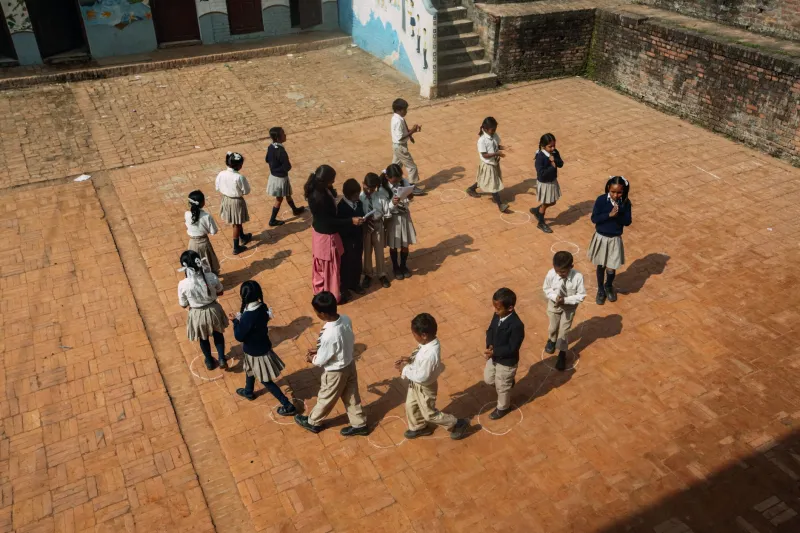
The school dinner queue is usually treated as dead time. With a whisper and a willingness to play, those few minutes can become a calm little maths playground — no equipment, no winners, no worksheets. Here are five opt-in games for teachers and midday supervisors to try.

Run, Hide, Count: The Playground Game That Sneaks in More Maths Than a Worksheet
Active Playground Learning

Run, Hide, Count: The Playground Game That Sneaks in More Maths Than a Worksheet

Hide-and-seek looks like pure chaos, but it is quietly packed with counting fluency, estimation, spatial reasoning and fair-play negotiation. Here is how to notice the maths already happening — and nudge it along without turning breaktime into a lesson.

The Puddle Is the Worksheet: Wet-Break Geometry for Curious Wellies
Active Playground Learning

The Puddle Is the Worksheet: Wet-Break Geometry for Curious Wellies

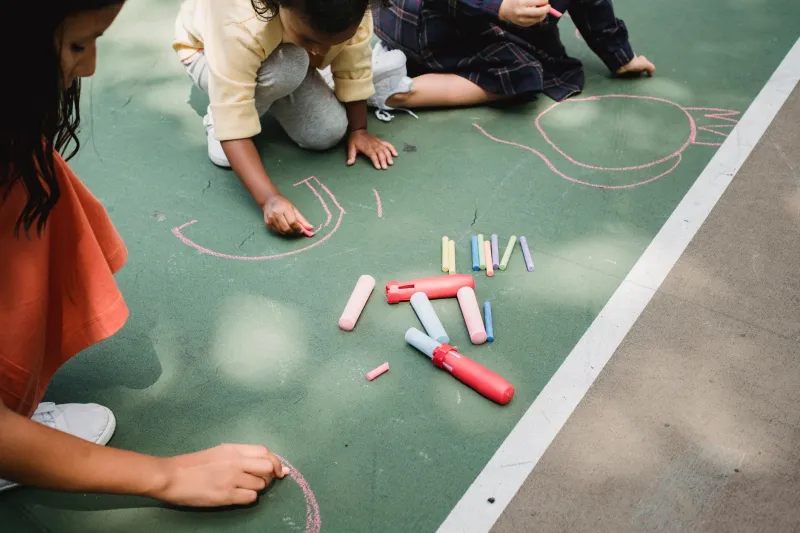
A rainy break does not have to end in soggy socks and a screen. This practical guide shows how chalk, puddles and a few good questions can turn a wet playground into a lively maths lab for UK primary children.

After the Clocks Change: A Torch-and-Chalk Maths Hour for November Playgrounds
Seasonal Family Guides

After the Clocks Change: A Torch-and-Chalk Maths Hour for November Playgrounds

When November afternoons fade early, a torch, some chalk and a few glow markers can turn the school playground into a short, practical maths session. Here are six twilight games for UK families and teachers, with age tweaks, safety notes and quieter options included.

Backseat Brain Boosters: Festive Motorway Maths Without a Screen
Seasonal Family Guides

Backseat Brain Boosters: Festive Motorway Maths Without a Screen

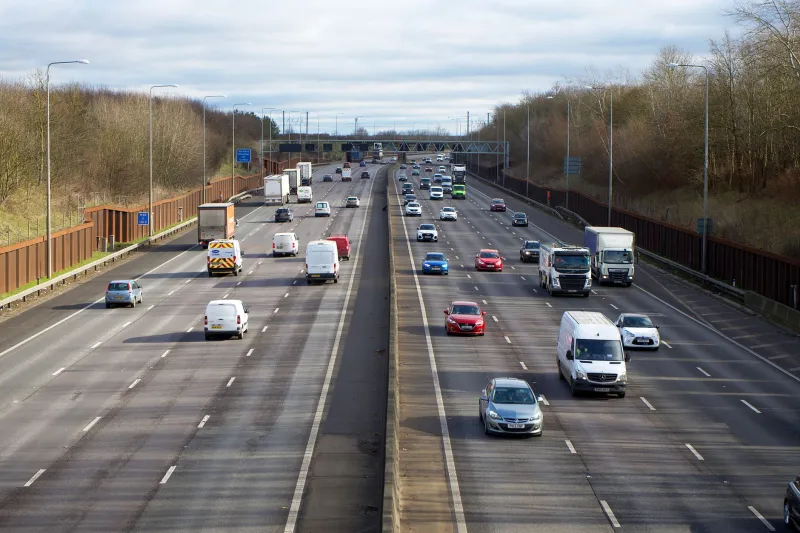
Turn festive car journeys into a portable maths playground using number plates, motorway signs, service-station prices and map distances. This screen-free guide offers quick challenges for ages 6–11 and gentle tips for keeping the numbers playful, not test-like.

Till-Roll Sprint: The Kitchen-Table Maths Contest Hiding in Your Shopping Bag
Active Playground Learning

Till-Roll Sprint: The Kitchen-Table Maths Contest Hiding in Your Shopping Bag

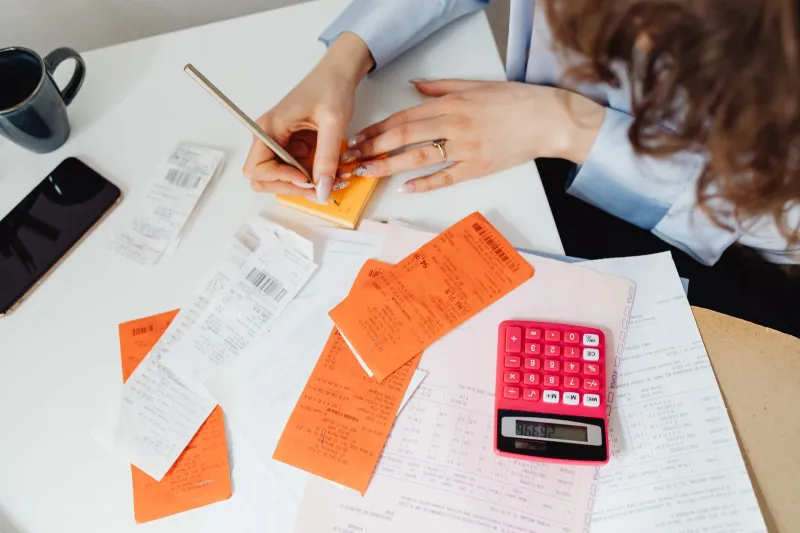
Your weekly shop already comes with a free maths kit: the receipt. This screen-free relay turns totals, unit prices and rounding into a lively 20-minute family tournament — with KS1 and KS2 versions and a printable scorecard.

Measure Twice, Paint Once: A 2026 Audit for School Playground Maths Markings
Active Playground Learning

Measure Twice, Paint Once: A 2026 Audit for School Playground Maths Markings

PTA cash is precious and tarmac is permanent. Before the line painter arrives, run your outdoor maths markings through these twelve questions — surface, sightlines, inclusion, upkeep and whether anyone will actually play the game.

The Trolley Maths Trophy: A Christmas Toy Catalogue Budget Game
Seasonal Family Guides

The Trolley Maths Trophy: A Christmas Toy Catalogue Budget Game

The toy catalogues have landed and every page says 'was £39.99, now £24.99'. Turn that into a proper numeracy session with a five-round budgeting game, a printable scorecard and versions for KS1 and KS2.

Six Zones, One Afternoon: Turning Your School Playground Into a Whole-School Maths Festival
Active Playground Learning

Six Zones, One Afternoon: Turning Your School Playground Into a Whole-School Maths Festival

Fancy a numeracy event that doesn't hinge on prizes, panic or a fortnight of laminating? Here's a workable plan for a one-afternoon maths festival across six playground zones, with station cards, timings, volunteer briefings and a kit list that won't trouble the PTA treasurer.

Why the Timer Is Usually the Villain: Building Maths Games That Let Children Think
Screen-Time Guides

Why the Timer Is Usually the Villain: Building Maths Games That Let Children Think

Speed is easy to measure and easy to reward, which is exactly why so many maths games lean on it. But a countdown clock changes what a child is doing — from thinking about the problem to thinking about the clock. Here's the case for slower games, plus four design rules and three to try this week.

Start With the Game, Not the Sticker: Why Play Should Be the Main Course in Primary Maths
Active Playground Learning

Start With the Game, Not the Sticker: Why Play Should Be the Main Course in Primary Maths

Too many primary maths games are saved for Friday golden time or the end of a topic, as if play were pudding and learning were the vegetables. This opinion piece argues that a ten-minute game can introduce, practise or assess a concept — and that play should be the main course.

Screen Door Maths: A 2026 Parent’s Checklist for Safe Browser Games
Screen-Time Guides

Screen Door Maths: A 2026 Parent’s Checklist for Safe Browser Games

Browser maths games can be a brilliant five-minute confidence boost — or a maze of pop-ups, chat boxes and hollow reward loops. Here is a practical 2026 checklist for UK parents of 5–11s, with the questions to ask before you press play.

Recommended

not on gamstop